If Everything Is Automated, What Is Left for Humans?
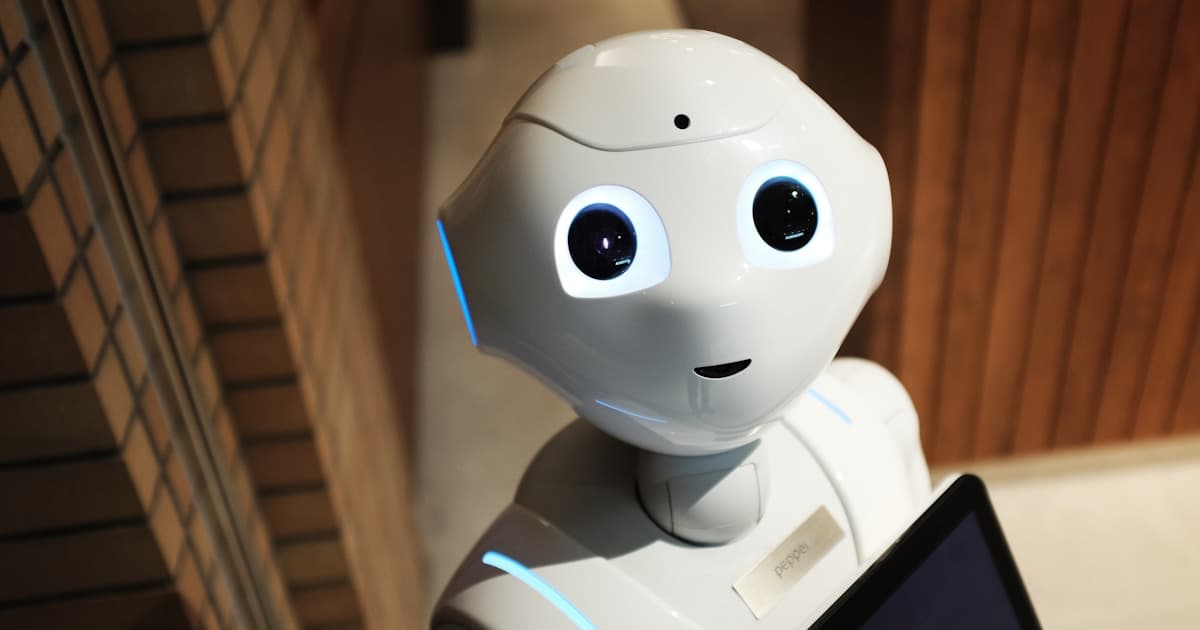
A friend's daughter asked me a question that stopped me cold: "If AI can do everything, what will I do when I grow up?"
She's nine. She's already seeing AI write stories, create art, answer questions better than many adults. From her perspective, the question is entirely logical.
I didn't have a good answer in the moment. But I've thought about it since, and here's what I've come to believe: human value isn't disappearing. It's relocating. And understanding where it's going might be the most important question of our time.
The Question Beneath the Question
When we ask "what's left for humans?", we're really asking several questions:
- Where will economic value come from? (The job question)
- What will be meaningful? (The purpose question)
- What makes us uniquely human? (The identity question)
These questions deserve separate answers, because the answers are different.
Where Economic Value Will Come From
Let's start with the practical concern: work and income. As AI automates tasks, where do humans still create economic value?
Judgment in novel situations matters most. AI is trained on the past. When situations are genuinely new (new markets, unprecedented crises, unexplored opportunities), human judgment becomes essential. The more automated routine becomes, the more valuable handling the non-routine becomes.
High-stakes accountability stays human. Someone has to be responsible when things go wrong. AI can make recommendations, but humans bear consequences. Doctors, lawyers, executives: roles that carry accountability will remain human even as AI assists them.
Trust-based relationships remain human territory. People want to buy from people, confide in people, partner with people. AI can facilitate relationships but not replace the human at the center. Sales, therapy, leadership: wherever trust is paramount, it stays human territory.
Taste and curation become more valuable. As I discussed in AI tools becoming commodities, when everyone can generate content, the value shifts to those who can curate, select, and apply taste to AI outputs.
Physical presence still matters. Until robots become much more capable, anything requiring physical presence (care work, construction, emergency response) needs humans. And even when robots arrive, many contexts will prefer human presence.
What Will Be Meaningful
Economic value and meaning aren't the same thing. Even if AI could do everything economically valuable, humans would still need meaning. Where does that come from?
Creation for its own sake will endure. People will still write poetry, paint pictures, play music. Not because AI can't, but because the act of creation is meaningful regardless of the output. The process, not just the product, matters.
Connection is irreplaceable. Human relationships will remain meaningful even in an automated world. Probably more so. As transactional needs become automated, we'll have more space for genuine connection.
Challenge and growth are intrinsically meaningful. Humans find meaning in struggle and achievement. Even if AI could solve our problems, many people would choose to solve them ourselves, for the satisfaction of the challenge. Learning, improving, overcoming. These remain meaningful regardless of AI capability. See developing a growth mindset for more on this.
Care for others runs deeper than efficiency. Taking care of others (children, elders, communities) is deeply meaningful in ways that don't depend on economic efficiency. Even if AI could theoretically provide care, the human desire to care for each other won't disappear.
Experience itself is the point. Living: experiencing beauty, adventure, discovery, rest. All meaningful in itself. An automated world might actually free more time for experience rather than grinding through work.
What Makes Us Uniquely Human
This is the identity question, and it's the trickiest. If AI can think, create, and even appear to feel. What's left that's uniquely ours?
I think we've been asking this wrong. The question isn't "what can humans do that AI can't?" That list will keep shrinking. The question is "what do we value being human for?"
And the answer is: consciousness, subjective experience, the felt sense of being alive. AI may simulate these things, but we actually have them. The sunset isn't beautiful because it's computed to be. It's beautiful because we experience it as such.
Human value isn't instrumental. It's intrinsic. We matter not because of what we produce, but because we exist and experience. In a world of infinite AI capability, that might become easier to see, not harder.
The Shift Already Happening
Look around and you can see human value relocating:
Craft is resurgent. Even as mass production became cheap, demand for handmade, artisanal goods grew. People pay more for human-made not because it's better, but because the humanness itself has value.
Experience beats stuff. Younger generations prefer experiences over possessions. This suggests a shift toward valuing moments of living over accumulated things, which is exactly what AI can't automate.
Authenticity commands premium. In a world of filters and AI-generated content, authentic human expression becomes more valuable, not less. We crave real because fake is now effortless.
Preparing for the Shift
How do you navigate a world where human value is relocating?
Invest in judgment. The skill that remains valuable is knowing what's worth doing: decision-making, strategy, taste. See why decision-making is the new skill.
Build real relationships. Human connection becomes more valuable as transactional interactions get automated. Invest in relationships. They're both meaningful and economically valuable.
Develop taste and curation. When generation is easy, selection becomes the skill. Train your judgment about what's good.
Embrace learning for its own sake. Even if you could outsource all thinking to AI, maintaining your own capabilities keeps you adaptable and gives life meaning.
Find meaning beyond productivity. If your self-worth is tied to being productive, automation threatens it. Find meaning in being, not just doing.
What I Told Her
I saw her again a few weeks later, and this time I had an answer:
"You'll do things that matter to you and to people you care about. Some of those things might be jobs, and some might not. But being human isn't about doing tasks. It's about experiencing life, connecting with others, and making choices about what matters to you. AI can't do that for you. Nobody can. That's yours."
She seemed satisfied. Honestly, so was I.
Everything That Matters
Automation doesn't eliminate human value. It relocates where that value lives. As machines handle more tasks, humans become valuable for judgment, relationships, creativity, care, and the irreducible fact of conscious experience.
This isn't a dystopia where humans are obsolete. It's an invitation to reconnect with what actually makes life worth living, which was never just about the tasks we performed.
The question "what's left for humans?" has an answer: everything that matters.
Want to focus on what actually matters? Learn to protect your attention for deep work. The human capacity for sustained focus remains uniquely valuable.
Was this article helpful?
Related Posts
AI Won't Replace Your Job, But It Will Replace How You Think
The real threat isn't job loss. It's cognitive atrophy. AI will change how you think, and you need to be intentional about which changes you accept.

When Not to Use AI: 5 Tasks I Now Do Manually on Purpose
AI can do almost everything for you. That's exactly the problem. Five tasks I now keep manual; not out of nostalgia, but because outsourcing them costs more than it saves.

The Quiet Skill That Will Matter More Than Prompt Engineering
Everyone's learning prompt engineering. But the skill that actually drives AI value is problem framing, and almost nobody is developing it.

The Illusion of One-Person Unicorns
AI won't create a wave of solo billion-dollar founders. Why the one-person unicorn is mostly myth, and what AI actually enables for solo operators.
Explore more topics: