How to Manage Your Energy: Sleep and Nutrition
By Tekin Kıvrak, cloud infrastructure engineer
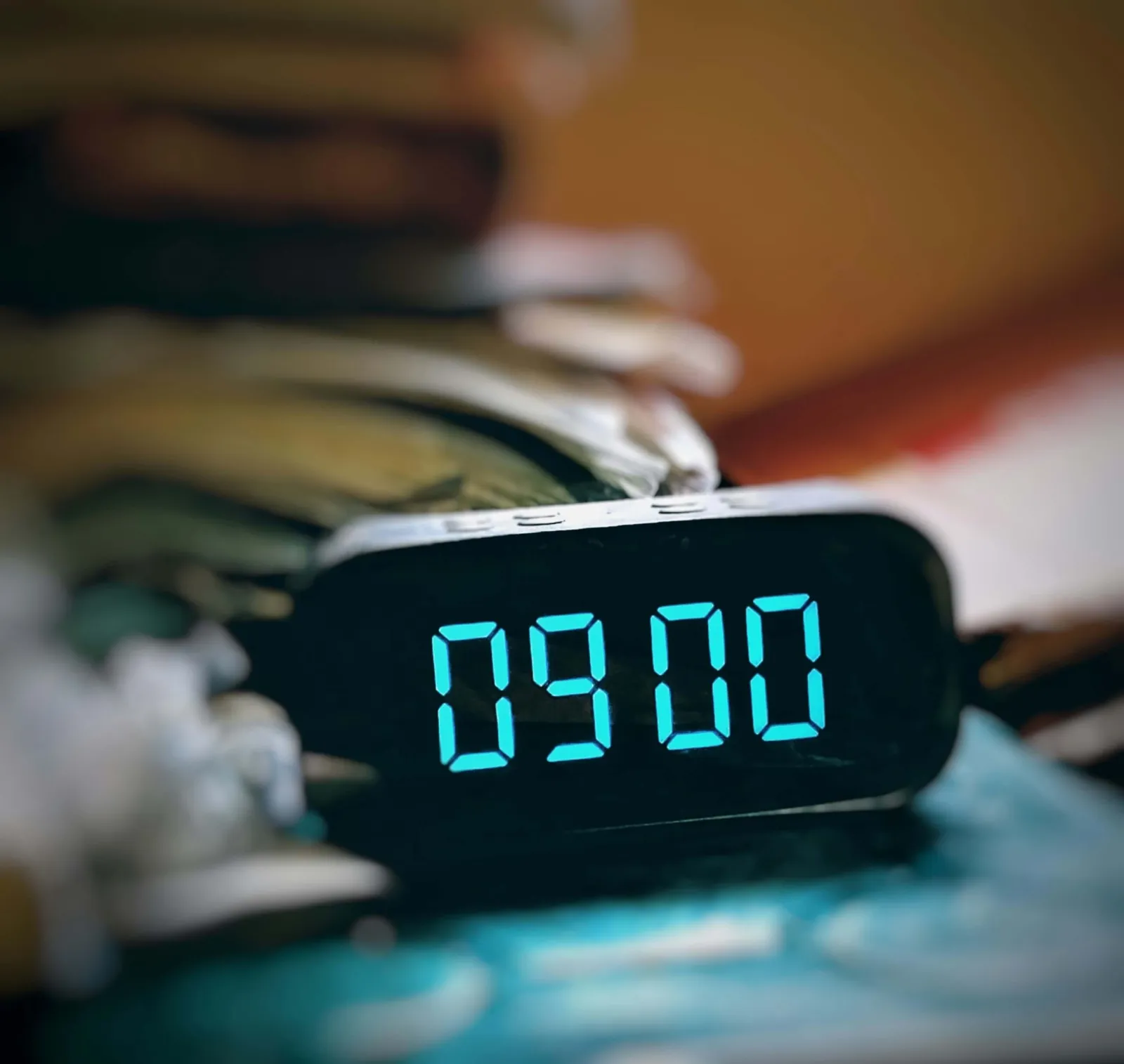
Last year, I hit a wall.
I was doing everything "right": waking up early, blocking my calendar, using Pomodoros. But by 2pm, my brain felt like it was running through mud. I'd stare at my screen, re-read the same paragraph three times, and reach for another coffee.
I was obsessed with time management. What I was missing was energy management.
You can have 8 hours blocked for deep work, but if your brain has no fuel, those hours are worthless. You can't think your way through exhaustion. This guide covers what I learned about managing energy through sleep, nutrition, and movement.

Why energy beats time
Time is fixed. You get 24 hours. But energy is a variable you can influence. When your brain runs low on quality energy, every task becomes a struggle. When you're well-rested, well-fueled, and moving regularly, even complex work feels doable.
Think of your day in three layers. The foundation is sleep, which restores your brain's ability to focus, remember, and regulate emotions. The fuel is nutrition, which provides steady glucose and micronutrients to your prefrontal cortex. The flow is movement, which resets attention, lifts mood, and keeps circulation healthy. Design these three well and your focus blocks feel lighter.
Most people are sharpest in the first two to four hours after fully waking. Then comes the midday trough. Later, a rebound. Instead of fighting this, work with it: peak hours for deep work and hard decisions, the trough for admin and shallow tasks and short walks, the rebound for editing and collaboration and meetings. This connects directly to how you structure deep work sessions, but without energy, even the best structure falls apart.
Sleep
Great days start the night before. Sleep isn't optional. Memory consolidation, emotional regulation, problem-solving: all of it depends on quality sleep. Most adults function best with seven to nine hours. The Sleep Foundation has detailed research, but the short version is: you probably need more than you're getting.
Four levers that matter. Consistent timing: go to bed and wake up at the same time, even on weekends. Your body loves rhythm. Light discipline: bright outdoor light in the morning, dim and warm light at night, screens down at least an hour before bed. Cool, dark, quiet room: 17-19°C works for most people. Mental off-ramp: if your mind races, keep a notebook by the bed. Write down everything you're thinking about before sleep.
My pre-sleep routine takes 10-15 minutes: tidy the workspace just enough, lay out tomorrow's clothes, fill the water bottle, read a few pages of fiction. The easiest way to sleep better is to protect your wake time first. Morning light sets your body clock. Get sunlight within the first hour after waking.
Nutrition
Your brain consumes about 20% of your daily energy. The trick isn't extreme diets; it's steady fuel. Balanced plates, predictable timing, no spike-and-crash cycles.
Build a steady-energy plate from protein (eggs, Greek yogurt, tofu, legumes, lean meats), healthy fats (olive oil, nuts, seeds, avocado), complex carbs and fiber (oats, whole grains, vegetables, fruit), and variety of colors for broader micronutrients.
For the afternoon, keep small snacks accessible: apple and peanut butter, handful of nuts and berries, yogurt and chia seeds, hummus and carrots. Even mild dehydration blurs attention. Keep water visible on your desk. Adding a pinch of salt and lemon helps with consistent drinking.
For caffeine: use it as a tool, not a crutch. Wait until your second hour awake (let natural cortisol rise first). Stop by early afternoon so it doesn't hurt sleep. More caffeine rarely solves an energy problem; better sleep does.
Movement
Knowledge work keeps us seated. The brain suffers when the body never moves. Research from the National Institutes of Health shows regular movement supports memory and executive function. It's not optional.
Movement snacks of two to five minutes are enough: two laps around the floor with slow breathing, 10 neck rolls and 10 shoulder circles and 10 hip hinges, one flight of stairs up and down, or a quick step outside for light and a mental reset. Movement is faster than coffee and more reliable. I do a five-minute snack after every focus block. If you're struggling with the 2-3pm slump specifically, see how to handle the afternoon slump.
A daily template
First hour of the day: water, sunlight, a 10-minute walk, then a protein-forward breakfast. The first focus block (60-90 minutes) goes here, on the hardest task while energy is fresh.
Mid-morning: five minutes of stretching and water, then a second focus block (45-60 minutes).
Lunch: a balanced plate, then a 10-minute walk right after eating.
Early afternoon (the trough): admin, shallow tasks, meetings. Movement snacks between items.
Late afternoon (the rebound): a shorter focus block (30-45 minutes) for editing and planning, then a shutdown ritual covering tomorrow's first action and a calendar check.
Evening: light dinner, no caffeine, screen-free wind-down, consistent bedtime. For help building the morning piece, see How to Design a Morning Routine.
30-day reboot
You don't need a lifestyle overhaul. Small steps compound.
Week 1: measure and simplify. Rate your energy one to five at four times of day (wake, late morning, mid-afternoon, evening). Protect your wake time and get morning light. Choose one repeatable lunch (protein, fiber, color).
Week 2: sleep setup. Pick consistent bed and wake times. Build a 10-minute wind-down routine. Move the phone charger outside the bedroom.
Week 3: movement and focus. Schedule three five-minute movement snacks per day. Try two deep-work blocks during your peak hours. Practice one slow breath before each block to transition into focus.
Week 4: nutrition upgrades. Add a protein-forward breakfast. Stock two smart snacks at your desk. Test caffeine timing: later start, earlier stop.
When it's not working
Afternoon crash: usually from a large lunch, no movement, or dehydration. Fix: smaller portions, a post-meal walk, and a visible water bottle.
Wide awake at night: usually from late caffeine, bright screens, or an inconsistent schedule. Fix: stop caffeine by 2pm, dim lights in the evening, protect your wake time even on weekends.
Never feeling refreshed: usually from sleep debt, no morning light, or no breaks during the day. Fix: seven to nine hours in a cool dark room, sunlight within the first hour of waking.
Can't get into deep work: usually from a scattered start or no clear first action. Fix: write tomorrow's first task tonight and start with a two-minute warm-up.
Common questions: How many sleep hours should you aim for? Seven to nine for most adults; track how you feel across the day, not just in the morning. Is exercise really necessary for brain work? Yes. Even brief movement snacks support memory, attention, and mood. What about meeting-heavy days? Batch meetings into the trough period, guard one morning focus block, and insert movement between calls. If procrastination is the real issue, see how to beat procrastination.
Start today
Energy management isn't complicated. It's about protecting the basics: sleep seven to nine hours in a dark and cool room, eat steady fuel rather than sugar spikes, move every hour, and match your work to your natural energy curve.
Start with one change this week. Protect your wake time. Add a morning walk. Eat a better lunch. In a week, you'll feel the difference. In a month, it becomes your new normal. Your brain is your most valuable tool. Treat it that way.
Was this article helpful?
Related Posts

Mindset · 8 min
The Skill of Boredom: Why I Schedule Empty Time
I block 90 minutes a week for nothing. No phone, no podcast, no plan. Here's why scheduling boredom became the most productive change I made all year.

Wellness · 7 min
How to Kill the Afternoon Slump
Beat the 2-3 PM energy crash with a 15-minute protocol. Science-backed strategies combining light, movement, and smart fueling to stay sharp all day.

Productivity · 5 min
The 10-Minute Evening Shutdown Ritual That Saved My Mornings
Stop starting your day in reactive mode. A 10-minute evening ritual that closes open loops and makes every morning clearer, calmer, and more focused.
Wellness · 7 min
I Wore an Oura Ring for 6 Months: What Actually Changed
After 6 months of daily Oura Ring use, here's what the data taught me about sleep, recovery, and energy, and whether a $300 ring is worth it.
Explore more topics: