How to Design a Powerful Morning Routine
By Tekin Kıvrak, cloud infrastructure engineer

For years, I tried to be a morning person.
I'd set my alarm for 5am, load up an elaborate routine with meditation, journaling, exercise, cold showers, and gratitude lists. By day three, I was hitting snooze until 7:30 and feeling like a failure.
Then I learned the secret: a good morning routine isn't about doing more. It's about doing less, consistently.
My current routine takes 15 minutes. I've done it for over a year without missing a week. It's not impressive on paper, but it works because it's easy and repeatable.
Why mornings matter
Mornings set the tone for the day. A tiny win early reduces decision fatigue, protects attention, and makes it easier to start your first meaningful action. You don't need a 5am club. You need a repeatable routine that fits your life.
Light and movement help because they nudge your body clock and alertness. The Sleep Foundation explains how your circadian rhythm responds to light, and the NIH summarizes how even brief exercise supports cognition.
The core principles that make it work: decide what mornings are for (energy, focus, or calm), remove obstacles for good habits and add friction to distractions, track with visible checkmarks and reflect weekly, and keep the routine short enough that you'll run it even on low-energy days.
Setting it up
Ten steps, each small. Work through them once and you'll have your routine designed.
1. Pick your morning outcome. Choose one word for the next two weeks: energy, focus, or calm. This filters every other choice.
2. Set a wake-time range, not a single alarm. "7:00-7:30" prevents all-or-nothing thinking. Ranges keep the habit alive when life shifts.
3. Write exactly three steps. Three steps are easy to recall without looking anything up. Match them to your chosen outcome; more on that below.
4. Prep the night before. Lay out clothes, fill a water bottle, stage tomorrow's first task on your desk. Mornings are for doing, not deciding.
5. Set your phone rule. Keep airplane mode or Do Not Disturb on until the routine is done. Out of sight is out of mind.
6. Use light and water first. Within 10 minutes of waking, turn on bright light and drink a full glass of water. This works as a powerful start cue.
7. Add micro-movement. Two to five minutes is enough: mobility, a brisk hallway walk, or a few body-weight moves.
8. Do one focus action. Write three bullets, read two pages, or complete a tiny starter task. Action before apps.
9. Reward the finish. Sip coffee, step outside for one minute, or play a favorite song. Rewards wire repetition.
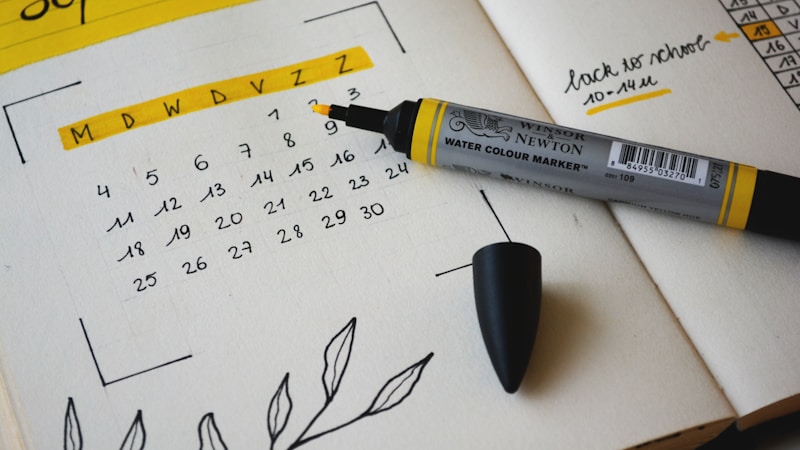
10. Track it visibly. A paper chart, whiteboard, or simple app. One checkmark per day is plenty. For the habit science behind this, see How to Master Habit Formation.
Three sample routines
Pick the template that matches your current goal and adapt the durations to fit your morning.
Energy-first (10-15 min): light and water for one minute, a quick mobility flow for four to six minutes, a protein snack or yogurt with fruit for five to eight minutes. Simple, physical, done before your brain fully boots up.
Focus-first (15-20 min): light and water for one minute, two five-minute sprints on a small task, then a one to three minute top-three priorities plan. When you're ready to extend those focus sprints, borrow tactics from How to Deep Work and Focus.
Calm-first (10-15 min): light and water for one minute, box breathing or a short meditation for five minutes, gratitude or a brief journal entry for five to eight minutes. Good for high-stress periods or days with back-to-back meetings from the start.
Making it a habit
Use the first week to establish the pattern. Day 1: choose your aim and write three steps, then prep the night before. Day 2: run the routine and note total minutes. Day 3: remove one friction (silence notifications, move the phone). Day 4: add a small upgrade, two extra minutes of movement or one more page of reading. Day 5: share one win with a friend for accountability. Day 6: run the tiny version on a tough day to prove the habit survives disruption. Day 7: review and adjust one step.
For weekly planning that protects your morning window, see How to Organize Your Week.
Keep a simple one-page template nearby: your morning aim (energy/focus/calm), your wake-time range, your three steps, your phone rule, your night-before prep list, a tiny version for tough days (three to five minutes), your reward cue, and two weekly review questions: what worked, what dragged.
Measure sessions per week (aim for five), whether you stayed within your wake-time range, and minutes from waking to first meaningful action. Track sessions first; action creates momentum, and checkmarks beat moods. Optional lag metrics to check monthly: books finished, resting heart rate, mood trend. Keep them light.
What goes wrong
Starting too big is the most common mistake. Begin with 10-15 minutes. Extend later if you want to.
Phone vortex: keep the phone away until step three is done. The notifications will still be there.
Skipping prep: move setup to the evening so mornings are friction-free. Ten minutes the night before is worth 30 minutes of morning scrambling.
All-or-nothing thinking: on busy days, run the tiny version. Streaks survive on small wins, not perfect ones.
A few questions that come up often: Do you need to wake up early? No. Keep your current window; the routine matters more than the clock. Coffee first or later? Try water and light first, coffee can follow after step one or two. When will it stick? Expect traction in two to three weeks; a strong habit often forms in six to eight weeks. Kids or shift work? Use a wake-time range and rely on your tiny version when life gets messy.
Quick-reference menus
Five-minute movement: cat-cow times ten, hip hinge times ten, plank for 30 seconds, shoulder circles times twenty.
Two-minute calm: box breathing (4-4-4-4) or a short body scan.
One-minute plan: three priorities, one blocker to remove, one tiny win to ship.
Stack tip: anchor the routine to a fixed cue (alarm off, water, light, step one). Design your space so only routine items are visible and everything else is hidden. Adjust seasonally: keep the structure, swap steps as daylight and schedule change.
Start tonight
Pick your aim and prep one thing tonight: fill a water bottle, lay out clothes, write your three steps. Tomorrow, run a three-step routine that fits into 10-20 minutes. End with a small reward. Put a checkmark on paper.
That's it. Your morning routine is now real, and it will get easier each time you repeat it.
Related: a ten-minute evening shutdown ritual.
Was this article helpful?
Related Posts

Wellness · 8 min
How to Master Habit Formation
I failed at exercising every January for three years. What finally worked: environment design, tiny starts, and the never-miss-twice rule.

Productivity · 5 min
The 10-Minute Evening Shutdown Ritual That Saved My Mornings
Stop starting your day in reactive mode. A 10-minute evening ritual that closes open loops and makes every morning clearer, calmer, and more focused.

Wellness · 7 min
I Wore an Oura Ring for 6 Months: What Actually Changed
After 6 months of daily Oura Ring use, here's what the data taught me about sleep, recovery, and energy, and whether a $300 ring is worth it.

Mindset · 8 min
How to Build Keystone Habits That Transform Your Day
Keystone habits are small actions that trigger positive chain reactions. How to pick the right one and stack it onto your existing routine.
Explore more topics: