How to Organize Your Week for Maximum Productivity
By Tekin Kıvrak, cloud infrastructure engineer

Every Sunday evening, I used to feel the same creeping anxiety.
Monday was coming, and I had no idea what my week would look like. I'd open my laptop, stare at 47 unread emails, and think, "Where do I even start?"
Then I built a simple 60-minute system for Sunday evenings. Six months later, I no longer dread Mondays. I start each week with clarity, know exactly what matters, and finish more meaningful work than I used to.
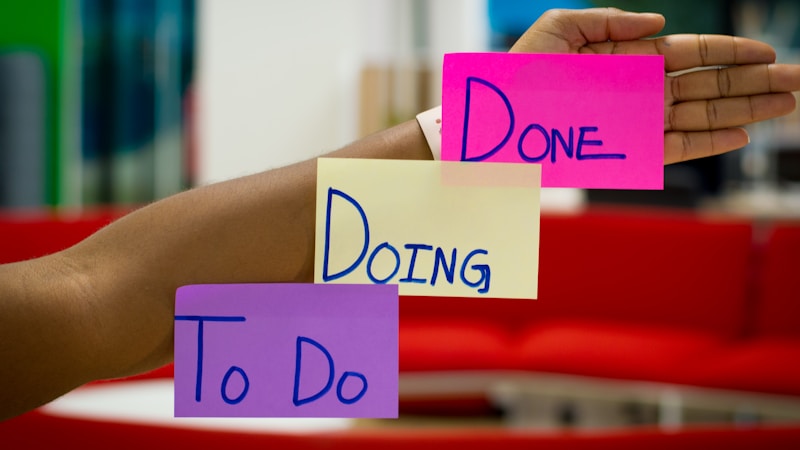
Why the week needs structure
Most people don't organize their week. They react to it. Monday hits and suddenly they're pulled into meetings, urgent requests, and whatever screams loudest for attention. By Friday they're exhausted, and the important projects haven't moved.
I lived this cycle for years. I was busy but not productive. The problem wasn't my work ethic. It was that I never paused to ask: "What actually matters this week?"
My breakthrough came from David Allen's weekly review concept from Getting Things Done. I adapted it for my life rather than following rigid rules, and the difference was immediate. One structured session each week moved me from reactive to proactive. Instead of bailing water, I was steering the ship.
The 60-minute review
After six months of experimenting, I refined the process into six steps. I set a timer for each; the total never exceeds 60 minutes.
The first 10 minutes: clear the decks. Capture everything floating in my mind and scattered across systems. Process email to zero (or under 10). Check Slack, texts, voicemails. Collect sticky notes, random papers. Then a quick brain dump: anything that's been nagging me, written out on a blank page. You can't plan clearly when mental clutter is everywhere. The rule is simple: if it takes under two minutes, do it now. Otherwise, it goes on the list.
Minutes 10-20: review the past week. Most people skip reflection and jump straight to planning. I always review before I plan. Four questions: What went well? (Write three wins, big or small.) What felt heavy or frustrating? Did I stick to my priorities? What's one lesson I learned? Reflecting backward is where I actually learn. Acknowledging even small wins creates momentum for the week ahead.
Minutes 20-35: update projects and tasks. Open the project list, review each one, and ask "what's the next action?" Move completed items to done. Drop anything no longer relevant. Update deadlines where circumstances changed. The critical rule: every project must have one clear next action. Not "work on proposal", too vague. Instead: "Draft the intro paragraph for the proposal." This step turns fuzzy projects into concrete actions.
Minutes 35-45: check the calendar, backward and forward. Looking back: any missed follow-ups from last week's meetings? Looking forward: what's scheduled, which meetings need prep work, where are the conflicts, where can I block focus time? I add preparation notes directly in calendar events. "Tuesday 2pm meeting: review Q3 numbers first." If you need help maintaining focus during planned work blocks, see How to Deep Work and Focus.
Minutes 45-55: choose three priorities. This is the most important step. Exactly three; no more. Fewer priorities means a higher likelihood of completion. It forces you to choose what truly matters. I ask: if I could only accomplish three things this week, what would move the needle most? Then I define one small daily win for each. Priority 1 is "finish client proposal": Monday outline, Tuesday sections 1-2, Wednesday section 3 and budget, Thursday review and edit, Friday send. Breaking priorities into daily actions makes them feel achievable. I also block 90-minute focus sessions in the calendar for each priority. If it's not on the calendar, it won't happen.
Minutes 55-60: close with gratitude and reset. Write one thing I'm grateful for from the past week, tidy the physical desk, close the notebook, take three slow breaths. The gratitude part felt unnecessary at first. It doesn't anymore. It shifts my mindset from stress to appreciation and signals to my brain: planning is done, I'm ready.
Common mistakes
Skipping it when you're busy is the most common. That's exactly backwards. The busier you are, the more valuable the review becomes. Sixty minutes of planning saves hours of reactive scrambling.
Making it too long is the second. My first reviews took over two hours and felt like homework. Now I keep strict time limits. Sixty minutes maximum, a timer on each section.
Only looking forward and skipping reflection is the third. When you plan without reviewing the past, you miss the learning. You repeat the same mistakes week after week.
Overplanning every hour is the fourth. "Monday 9:03 AM, answer email from Bob" is too granular. The right level is "Monday morning: focus on client proposal." Organize at the altitude of priorities and blocks, not minute-by-minute schedules.
No accountability is the fifth. Keeping priorities to yourself makes them easier to abandon. I text my three priorities to a friend every Sunday. Simple, and it makes me far more likely to follow through.
For how small systems compound into major changes, see How to Create a Personal Development Plan.
Making it stick
I've done 48 consecutive weekly reviews. Here's what actually made it stick.
Pick a consistent time and protect it fiercely. I chose Sunday evening at 7pm. Same time every week, no negotiation. Other people prefer Friday afternoon (to close the week) or Monday morning (to start fresh). Choose your rhythm and hold it.
Create a ritual that you enjoy. I brew my favorite tea, play the same instrumental playlist, and sit in a designated planning chair. These cues tell my brain what to expect. Starting feels natural, not forced.
Track the streak. I mark an X on a wall calendar for every completed review. Not breaking the chain is motivating in a way that abstract goals aren't.
Start with 30 minutes if 60 feels too long. A light version covering reflection, calendar check, and top three priorities is still far better than nothing. It's better to organize your week partially than not at all.
Adjust as you learn. My current system looks different from my first attempt. I added sections, dropped others, refined the timing. Don't treat it as rigid. Find what gives you clarity without feeling like a chore. For the science of building habits that last, see How to Master Habit Formation.
A simple template
You don't need fancy tools. Here's the one-page template I use every Sunday.
Last week review: three wins, one challenge, one lesson learned.
Projects update: for each active project, one clear next action.
Calendar check: any missed follow-ups, big events next week, prep needed.
Top three priorities: written out plainly, one per line.
Daily wins: one small deliverable per day, Monday through Friday.
Gratitude: one sentence.
Print this or copy it into a notes app. That's genuinely all you need.
What actually changes
After six months of weekly reviews: I complete around 85% of weekly goals instead of 60%. The "where did the week go" feeling has mostly disappeared. Long-term projects that had been stalled for months finally shipped. Sunday evenings feel calm instead of anxious.
The review doesn't give me more hours. It helps me use the hours I have on things that actually matter.
Ready to start? Today, open your calendar and block 60 minutes this weekend. Label it "Weekly Review" and treat it as non-negotiable. This weekend, set a timer, work through the six steps, and end with gratitude and a clean desk. The first one might feel clunky. By the fourth, it'll flow.
I used to feel like my week happened to me. Now I design it. One hour of structured thinking each week compounds into clarity, control, and consistent progress. Start this Sunday.
Want to combine weekly planning with better decision-making? Keep a decision journal to track important choices. For handling energy dips during your planned week, read How to Manage Your Energy.
Related: handed a month of weekly planning to AI.
Was this article helpful?
Related Posts
AI & Tech · 6 min
I Let AI Plan My Week for 30 Days. Here's What I Learned.
I handed my weekly planning to AI for 30 days. What worked, what broke, and the one thing AI still can't do no matter how good your prompt is.

Productivity · 8 min
Notion vs Obsidian: Which One Is Actually Right for You?
I've used both Notion and Obsidian for over a year. The honest breakdown: who each tool is for, where they fail, and which one I actually kept using.

Productivity · 8 min
How to Start One Focus Block Before 10 AM
Reclaim your mornings with one protected focus block before 10 AM. A 20-minute setup that creates daily wins and stops the reactive spiral.
Productivity · 7 min
How to Deep Work and Focus: Time-Blocking and Pomodoro
Master deep work with time-blocking and the Pomodoro technique. Learn how to eliminate distractions and produce your best work in focused sessions.
Explore more topics: