The Decision Journal: Improve Your Decision-Making
By Tekin Kıvrak, cloud infrastructure engineer

The Problem with How We Usually Decide
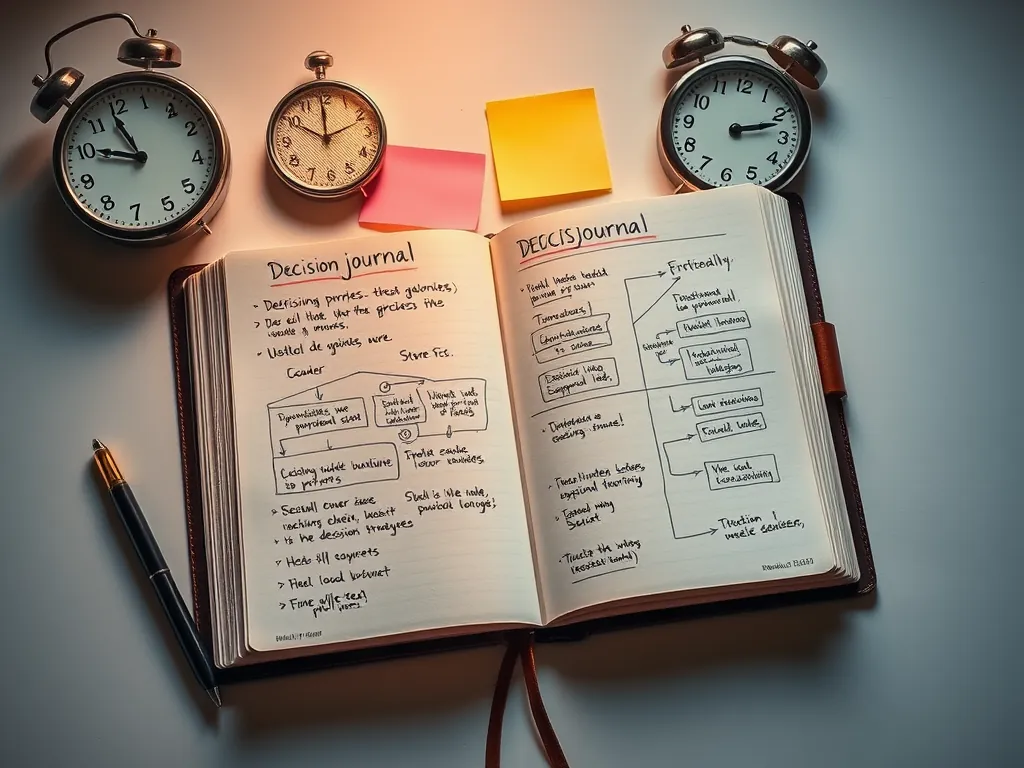
Once I started paying attention, I noticed something: we constantly rewrite history in our heads. A product launch succeeds, and suddenly everyone "knew it would work," even though half the team was skeptical before launch. A hire doesn't work out, and the same people who approved the candidate now say they "had concerns from the start." This isn't dishonesty. It's how human memory works. Our brains automatically reconstruct the past to make sense of the present. Psychologists call it hindsight bias, and everyone does it. The problem is that if you can't remember what you actually thought before a decision, you can't learn from it. You just get better at telling yourself convincing stories. A decision journal breaks this cycle. It's a timestamped record of what you actually believed before you knew how things would turn out.What Goes in a Decision Journal
When I started my journal, I kept it simple. Three core elements: what I believed would happen, why I believed it (my reasoning and assumptions), and what I planned to do about it. I write before making the decision, add notes during execution, and reflect after seeing the outcome. No complex templates. No expensive software. Just a Google Doc with dated entries. The system has to be simple enough to use when you're stressed, busy, and under pressure. Because that's exactly when you need it most.Five Decision Traps a Journal Helps You Avoid
After a year of journaling, I identified five patterns that repeatedly threw my decisions off track. The first is judging decisions by results alone. I made a hire that looked perfect on paper. Six months later, the person quit. Bad decision? Not necessarily. When I reviewed my journal entry, I saw that my reasoning was sound: role was clearly defined, experience matched, references were strong. What I couldn't predict was that the candidate's spouse got a dream job in another country. Good process, unlucky outcome. The lesson was to keep refining the process and stop blaming myself for things I couldn't control. Writing down your reasoning and probability estimates before you know the outcome is what makes this visible. The second trap is the planning fallacy. My team estimated a feature would take three weeks. It took seven. Looking back at my journal, I found the same pattern repeated: we were systematically optimistic about timelines, especially for projects with external dependencies. Now I add a base rate check: what do projects like this usually take? That outside view often reveals that my inside view is wishful thinking. Tracking estimates versus actuals over ten entries will show you your personal bias clearly. Third is confirmation bias. I was excited about a new tool for the team and spent hours reading positive reviews and watching demos. What I didn't do was actively search for reasons it might fail. When I added a "counter-evidence" section to my template (three reasons the decision might be wrong), it became uncomfortable to fill out. It also saved me from charging into bad bets. The fourth trap is the availability heuristic. A dramatic recent event distorts how you see risk. One security incident, and suddenly security is "the top priority" for six months, even if other risks are statistically more likely. My journal shows me when I'm overweighting recent or vivid examples. Reviewing similar past decisions before making new ones is the fix. Fifth is emotional state blindness. Some of my worst decisions came when I was tired, stressed, or running on adrenaline from a recent success. Now I log my emotional state alongside the decision: "stressed/rushed" or "calm/rested." When I review decisions that went wrong, there's often a pattern.A Simple Template
Here's what I use. One page, no fluff: Date. Decision (what you're choosing to do). Expected outcome (what you think will happen). Confidence level (high, medium, or low). Key reasoning: three reasons this will work. Counter-evidence (required): three reasons this might be wrong. Pre-mortem: if this fails spectacularly, what's the most likely cause? Emotional state: how are you feeling right now? Review date: when will you check the outcome? Then, later: actual outcome, process grade (A through F, judging the process not the result), and one key insight.When to Use It
I don't journal every decision. That would be unsustainable. Use the journal for decisions that are hard to reverse, choices involving significant money, time, or relationships, situations where you've been wrong before, and anything you'll want to review in six months or more. Skip it for easily reversible choices, low-stakes daily decisions, and situations where speed matters more than precision. The goal isn't to document everything. It's to document the decisions worth learning from.Tactics That Actually Improved My Decisions
Beyond the journal, a few practices made a real difference. Write the post-mortem before deciding. Imagine the decision failed. What went wrong? This pre-mortem surfaces risks you'd otherwise overlook. Seek disconfirming evidence too. Before major decisions, ask yourself what would change your mind, and then actually look for that information. For recurring decisions (hiring, project prioritization, vendor selection), a checklist helps. Not for every choice, but for the patterns you repeat. Checklists prevent you from skipping steps when you're rushed. Involve a devil's advocate. Ask someone to argue against your preferred option for 10 minutes. Make it safe to poke holes. And for decisions driven by strong emotion, a 24-hour pause often reveals whether the urgency was real.Questions People Ask
Is this worth the time? It costs 15 minutes up front but saves hours later by eliminating rework and second-guessing. You also build a library of patterns that speeds up future decisions. Can you do this solo? Absolutely. I do most of my pre-mortems alone. Once a month, I ask a trusted friend to review my counter-evidence sections for blind spots. What if the outcome is bad? Grade the process, not the result. A good process with a bad outcome means you got unlucky. A bad process with a good outcome means you got lucky. Focus on improving the process. Which tool is best? I use Google Docs. Others use Notion or Obsidian. The method matters more than the app. Start with whatever you'll actually use.Start Simpler Than You Think
If I could give myself one piece of advice, it would be this: start simpler than you think you need to. Your first version will feel embarrassingly basic. That's fine. Use it for three months before adding any complexity. My first entries were just three bullets: what I'm choosing, why I think it'll work, what I'll watch for. That was enough. The habit mattered more than the template. Two years in, I have a system that's genuinely changed how I think about choices. Not perfect. Not fancy. But consistently better than deciding by gut feel and hoping for the best. The journal doesn't make me right more often. It makes me wrong less expensively, and it helps me learn faster when I am wrong. That's worth 20 minutes a week.Want to build better decision systems into your weekly routine? Check out How to Organize Your Week for a complete weekly review framework. When decisions don't go as planned, developing a growth mindset can help you extract lessons without harsh self-judgment.
Was this article helpful?
Related Posts

AI & Tech · 8 min
When Not to Use AI: 5 Tasks I Now Do Manually on Purpose
AI can do almost everything for you. That's exactly the problem. Five tasks I now keep manual; not out of nostalgia, but because outsourcing them costs more than it saves.
Mindset · 8 min
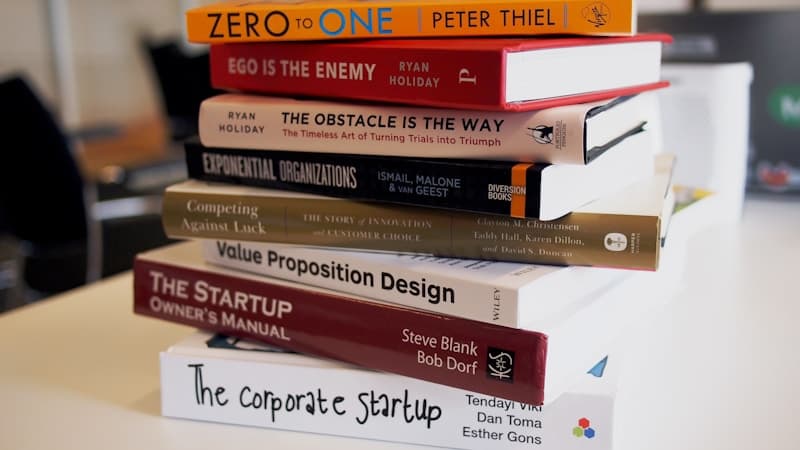
7 Books That Permanently Changed How I Think and Work
Not a reading list. These are the 7 books that rewired how I approach decisions, habits, focus, and learning. Each one left a permanent mark.

Mindset · 6 min
How to Turn Goals into Systems
Goals point the direction; systems do the work. How to translate any goal into one to three daily inputs you control, with a 15-second weekly scorecard.

AI & Tech · 8 min
AI Won't Replace Your Job, But It Will Replace How You Think
The real threat isn't job loss. It's cognitive atrophy. AI will change how you think, and you need to be intentional about which changes you accept.
Explore more topics: