I Wore an Oura Ring for 6 Months: What Actually Changed
By Tekin Kıvrak, cloud infrastructure engineer
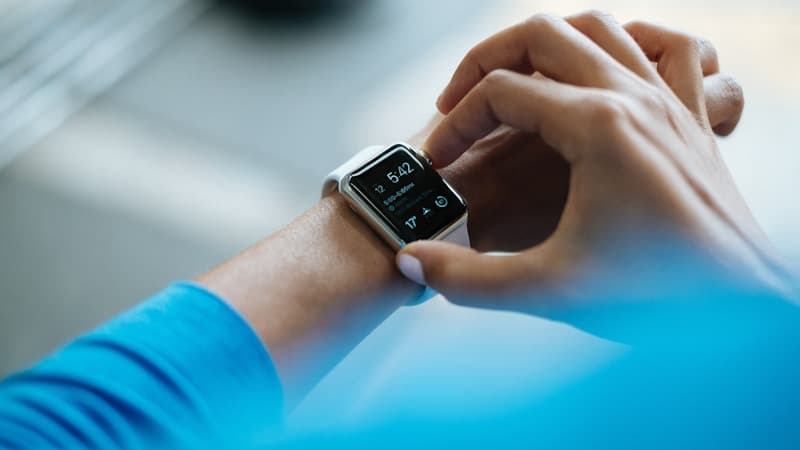
I bought the Oura Ring because I was tired of being tired. I'd read every article about sleep and energy management, tried every morning routine hack, and still hit a wall by 2 PM most days.
So I spent $300 on a ring that promised to decode my body. Six months later, I have 180 nights of sleep data, hundreds of readiness scores, and a few insights that genuinely changed how I live.
This isn't a spec review. This is what happens when you actually wear the thing every day and pay attention to what it tells you.

What the Oura Ring Actually Measures
Quick overview for the uninitiated: Oura tracks sleep stages (deep, REM, light), heart rate variability (HRV), resting heart rate, body temperature trends, blood oxygen, and activity. It combines this into three daily scores: Sleep, Readiness, and Activity.
The Readiness score is the one I check every morning. It tells you, based on last night's data and your trends, how prepared your body is for the day. High readiness? Push hard. Low readiness? Take it easy.
Sounds simple. But having a number changed my behavior in ways that "listen to your body" advice never did.
Month 1: The Uncomfortable Truth About My Sleep
The first thing Oura showed me was that I was terrible at sleeping. Not the quantity. I was getting 7-8 hours consistently. The quality was the problem.
My deep sleep was averaging 35 minutes per night. The recommended range is 1-2 hours. I was getting barely a third of the minimum. Meanwhile, my light sleep was excessive: 5+ hours of basically useless rest.
The culprit? Oura's temperature and timing data made it obvious: late-night screen time and alcohol. Even one glass of wine with dinner crushed my deep sleep by 40-50%. Two glasses? Deep sleep virtually disappeared.
I'd read that alcohol hurts sleep quality before. Seeing my own data, night after night, made it real in a way no article could.
Month 2-3: Optimizing Based on Data
Armed with actual data, I started experimenting:
No screens after 9 PM. Deep sleep improved from 35 to 55 minutes within a week. Not perfect, but a 57% improvement from one change.
Alcohol only on weekends. Weeknight deep sleep jumped to 70-80 minutes. Weekend nights still suffered, but at least I could see the tradeoff clearly.
Consistent bedtime (10:30 PM ± 15 min). This was the biggest lever. My body started hitting deep sleep faster when it could predict when sleep was coming. Oura's "bedtime guidance" feature helped me dial this in.
Room temperature at 18°C. Oura tracks skin temperature trends. I noticed my best sleep scores correlated with cooler room temperatures. Bought a simple thermometer and started managing this actively.
After three months of data-driven adjustments, my sleep score went from averaging 68 to 82. Deep sleep hit 90+ minutes most nights. And I could feel the difference. the afternoon slump wasn't gone, but it was dramatically less severe.
The Readiness Score Changed How I Plan My Days
This is the feature that justifies the cost for me.
Every morning, before I decide what to tackle, I check my Readiness score. It's not about being lazy on low-readiness days; it's about being strategic.
High Readiness (85+): This is when I schedule deep work sessions, complex coding tasks, important writing. My brain is operating at full capacity. Don't waste it on email.
Medium Readiness (70-84): Normal day. Mix of focused work and administrative tasks. I can push, but I don't plan my hardest tasks here.
Low Readiness (below 70): Admin day. Emails, meetings, light tasks. Trying to force deep work on a low-readiness day produces garbage output anyway. Better to do easy tasks well than hard tasks poorly.
This framework, combined with my weekly planning system, means I'm matching my energy to my tasks instead of fighting my biology.
What Surprised Me
Exercise timing mattered more than I thought. Evening workouts (after 7 PM) consistently tanked my sleep scores. My resting heart rate stayed elevated for hours. Morning or lunchtime workouts had no negative impact, if anything, they improved deep sleep.
Stress shows up in the data before you feel it. Twice, my HRV dropped significantly for 3-4 days before I consciously felt stressed. Both times, I was heading into a demanding week. Oura's data was like an early warning system. "your body is already reacting to this even if your mind hasn't caught up."
Naps are underrated. On low-readiness days, a 20-minute nap between 1-3 PM boosted my afternoon HRV measurably. Oura tracks these naps and shows the impact. I went from "naps are for lazy people" to scheduling them strategically.
Consistency beats optimization every time. My best month wasn't when I tried every biohacking trick. It was the month I simply went to bed at the same time every night and woke up at the same time every morning. Boring consistency produced better scores than any supplement or technique.
What I Don't Like
Being honest about the downsides:
- Subscription required ($6/month). The ring costs $300+, and you need a monthly subscription for full features. Without it, you get basic sleep data but lose the insights that make it valuable.
- Battery anxiety. It lasts 4-7 days, but forgetting to charge means missing a night of data. That gap annoys me more than it should.
- Can become obsessive. There were weeks where I checked my scores compulsively. A bad sleep score would stress me out, which would hurt the next night's sleep. Ironic.
- Not always accurate. Nap detection is inconsistent. Activity tracking is basic compared to an Apple Watch. And the sleep staging sometimes feels off. I've been "awake" according to Oura during times I was definitely sleeping.
- Fashion tax. It's a chunky ring. Not everyone likes wearing a tech device on their finger 24/7.
Is It Worth $300?
Here's my framework for deciding:
Worth it if:
- You suspect your sleep quality is poor but don't know why
- You're data-driven and will actually act on insights
- You value energy management as a productivity lever
- You've already optimized the obvious stuff (caffeine, bedtime, exercise) and want to go deeper
Not worth it if:
- You already sleep well and have consistent energy
- You don't like wearing rings or jewelry
- You tend to obsess over numbers (health anxiety)
- You're looking for a fitness tracker: get an Apple Watch instead
For me, the ROI was clear: better sleep quality led to better morning focus blocks, which led to better work output. The ring paid for itself in productivity gains within the first two months.
My Current Stack
Six months in, here's exactly what I use:
- Oura Ring Gen 3: Sleep and readiness tracking (wear 24/7)
- Oura App: Check readiness score every morning, review sleep data weekly
- Apple Health: Oura syncs here, giving me one dashboard for all health data
- Notebook: I jot down subjective notes (mood, energy) alongside Oura's objective data
Simple setup. The ring does the tracking, I do the thinking. No elaborate dashboards, no 15-app stack. Just data and habits built around that data.
Bottom line: the Oura Ring didn't give me superpowers. It gave me self-awareness. And self-awareness, when you actually act on it, is surprisingly powerful.
I sleep better, I plan my days smarter, and I stopped fighting my body's natural rhythms. Not because I read about chronotypes, because I saw my own data and couldn't ignore it anymore.
If you're serious about optimizing your daily routine, start with sleep. And if you want to optimize sleep, start with data. The Oura Ring is the best tool I've found for that job.
Where to find these
Direct links to everything mentioned above. None of these are affiliate links: I get nothing if you sign up.
Was this article helpful?
Related Posts

Mindset · 8 min
The Skill of Boredom: Why I Schedule Empty Time
I block 90 minutes a week for nothing. No phone, no podcast, no plan. Here's why scheduling boredom became the most productive change I made all year.

Wellness · 6 min
How to Design a Powerful Morning Routine
Build a realistic morning routine that actually sticks. A 10-step setup with templates and sample routines for energy, focus, or calm.
Wellness · 7 min
How to Manage Your Energy: Sleep and Nutrition
Stop managing time, start managing energy. Learn how sleep, nutrition, and movement work together to fuel your best work and eliminate the afternoon slump.
Wellness · 8 min
How to Master Habit Formation
I failed at exercising every January for three years. What finally worked: environment design, tiny starts, and the never-miss-twice rule.
Explore more topics: